
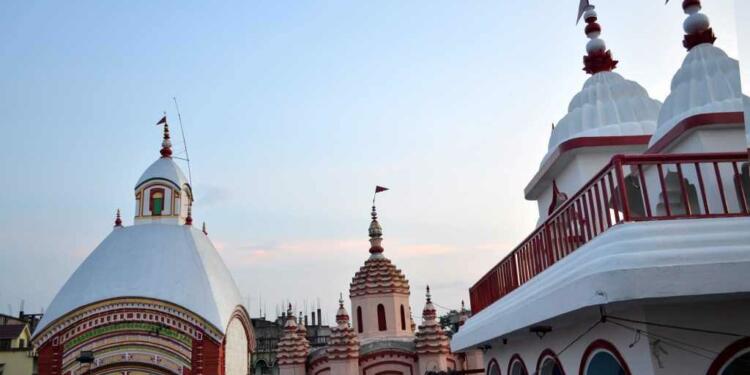
Tarapith Temple – History, Darshan, Rituals & Travel Guide
Tarapith Temple – Complete Guide to Maa Tara Shakti Peeth
Tarapith Temple is one of the most revered and powerful Shakti Peethas of India, located in the Birbhum district of West Bengal. Dedicated to Goddess Tara, a fierce manifestation of Goddess Kali, Tarapith is a major pilgrimage destination for devotees seeking spiritual power, protection, and fulfillment of wishes. The temple is especially famous for its deep Tantric traditions, strong spiritual vibrations, and association with the great saint Bamakhepa.
Spiritual Significance of Tarapith Temple
Tarapith holds immense importance in Shakta Hinduism. According to Hindu mythology, it is believed that the eyes (Tara) of Goddess Sati fell at this sacred place, making it a highly powerful Shakti Peetha. The presiding deity, Maa Tara, is worshipped as the compassionate yet fierce mother who destroys fear, ignorance, and negativity.
The temple is particularly significant for Tantric sadhana, and many spiritual seekers visit Tarapith to attain higher consciousness and divine blessings. Despite its Tantric background, Tarapith today welcomes devotees from all backgrounds with pure faith and devotion.
History of Tarapith Temple
The origins of Tarapith Temple date back several centuries. Over time, it gained prominence due to the intense spiritual practices performed here. The temple became widely known during the 19th century because of Sadhak Bamakhepa, a legendary saint who dedicated his life to Maa Tara. His samadhi is located near the temple and remains an important place of worship.
Bamakhepa’s devotion and spiritual powers played a major role in establishing Tarapith as one of the most spiritually charged pilgrimage sites in eastern India.
Maa Tara Idol and Temple Architecture
The idol of Maa Tara is made of stone and depicts the goddess standing on a lotus, symbolizing divine energy and compassion. Unlike conventional Kali idols, Maa Tara’s appearance is both fierce and motherly, reflecting her role as a protector and guide.
The temple architecture is simple yet spiritually powerful. The sanctum sanctorum radiates strong energy, and devotees often experience a deep sense of peace and devotion during darshan.
Tarapith Darshan Timings & Rituals
The temple remains open throughout the day with specific time slots for darshan and rituals.
Common Rituals at Tarapith Temple:
-
Mangala Aarti (early morning)
-
Bhog offering to Maa Tara
-
Special pujas on Amavasya (New Moon)
-
Kali Puja & Deepavali celebrations
-
Daily evening Aarti
Amavasya nights are considered extremely auspicious, and thousands of devotees gather at Tarapith during these times.
Tarapith Cremation Ground (Maha Smashan)
One of the most unique aspects of Tarapith is the Maha Smashan (cremation ground) located adjacent to the temple. In Tantric tradition, cremation grounds are believed to be powerful centers of spiritual transformation. While this aspect adds to Tarapith’s mystique, regular devotees primarily focus on prayer, darshan, and spiritual upliftment.
Best Time to Visit Tarapith
The temple can be visited throughout the year, but the best time is:
-
October to March – Pleasant weather
-
Kali Puja & Durga Puja period – Grand celebrations
-
Amavasya days – Highly auspicious
Summer months can be hot, while monsoon brings heavy rainfall but fewer crowds.
How to Reach Tarapith
By Train:
-
Nearest railway station: Rampurhat Junction
-
Distance from Rampurhat to Tarapith: ~6 km
-
Autos, taxis, and buses are easily available
By Road:
-
Well connected by road from Kolkata, Durgapur, and Siliguri
By Air:
-
Nearest airport: Kolkata (Netaji Subhas Chandra Bose International Airport)
Accommodation & Facilities in Tarapith
Tarapith offers a wide range of accommodations:
-
Budget lodges
-
Mid-range hotels
-
Dharmashalas for pilgrims
Most hotels are located within walking distance of the temple and offer basic amenities for devotees.
Nearby Places to Visit
-
Bamakhepa Ashram
-
Nalhati
-
Bakreswar
-
Santiniketan (Bolpur) – around 75 km away
Conclusion
A visit to Tarapith Temple is not just a religious journey but a deeply transformative spiritual experience. Whether you are a devotee of Maa Tara, a spiritual seeker, or a traveler exploring India’s sacred destinations, Tarapith offers divine energy, peace, and profound faith. The temple continues to attract millions of devotees every year, making it one of the most powerful and respected pilgrimage sites in West Bengal.
-
 >
>
 >
>
 >
>
 >
>
 >
>
 >
>
 >
>
 >
>
 >
>
 >
>
 >
>
 >
>
 >
>
 >
>
 >
>
 >
>
 >
>
 >
>
 >
>
 >
>